Disposing Mattresses and Sofas in Mayfair: Quick Options
Posted on 18/06/2026
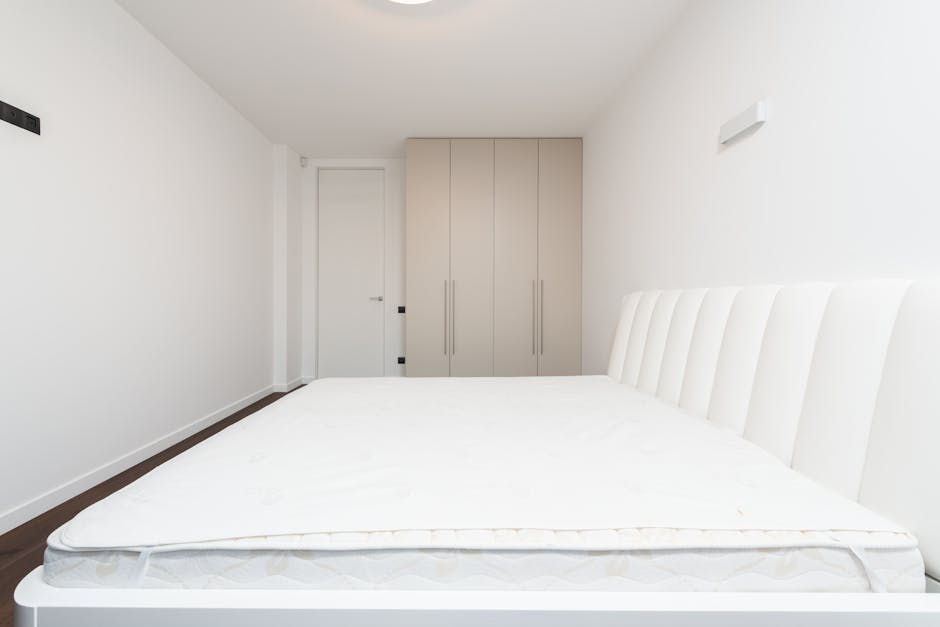
Getting rid of a mattress or sofa in Mayfair sounds simple until you actually try to move one. Suddenly there are tight hallways, lift bookings, concierge rules, parking pressure, and a bulky item that seems to get heavier the closer you get to the front door. If you are dealing with Disposing Mattresses and Sofas in Mayfair: Quick Options, the good news is that there are several fast, sensible ways to handle it without making a mess of the day.
This guide walks through the quickest options, what each one is best for, how the process usually works in a central London setting, and the mistakes worth avoiding. You will also find practical advice on safety, compliance, and choosing the most efficient route for a flat, townhouse, office, or managed property. Simple really - but not always easy.
If you want a broader look at nearby services and how they fit together, the services overview is a useful place to understand the full range of collection options, while the page on furniture removal in Mayfair gives more context on handling larger household items.
Why Disposing Mattresses and Sofas in Mayfair: Quick Options Matters
Mayfair is not the sort of place where a bulky item can simply be left to chance. Buildings are often older, access can be narrow, and many properties have strict managed-access rules. In practice, that means a sofa in a hallway or a mattress leaning in the wrong place can become a nuisance very quickly. It can block movement, create fire-safety concerns, and annoy neighbours or building staff. Nobody needs that at 8:15 on a weekday morning.
There is also the simple issue of convenience. A mattress or sofa is awkward to carry, awkward to store, and awkward to transport in a standard car. If you wait too long, the item becomes part of the furniture in the worst possible way. Quick options matter because they reduce disruption and help you get your space back sooner.
For landlords, letting agents, and people moving between properties, timing matters even more. If you are preparing a sale or a new tenancy, an old sofa can throw off the whole schedule. The same is true for businesses refurbishing staff rooms, serviced apartments, or hospitality spaces. In those cases, speed is not a luxury. It is part of the job.
You may also want to think about how bulky waste fits into a wider clearance plan. For fuller property clear-outs, house clearance in Mayfair can be the more efficient route, especially if the mattress and sofa are just two items among many.
Expert summary: the fastest disposal option is rarely the cheapest on paper, but in central London it is often the one that saves the most time, stress, and awkward lifting.
How Disposing Mattresses and Sofas in Mayfair: Quick Options Works
The process usually starts with one practical question: do you need the items removed today, this week, or just before a move-out deadline? That answer shapes everything else. Once you know the timescale, the main quick options usually fall into three broad routes: a dedicated collection service, a larger property clearance service, or a planned domestic waste collection arrangement.
Most people begin by describing the item accurately. That means telling the provider whether the sofa is a two-seater, corner sofa, sofa bed, or sectional, and whether the mattress is single, double, king, or super king. If there are stairs, basement access, lift restrictions, parking limits, or concierge sign-in requirements, mention those early. It saves time later. Honest description up front is always better than a surprise on arrival - and yes, the surprise is usually on the wrong side of the clipboard.
Collection teams then plan around access and load size. In Mayfair, that can include route planning for narrow streets, timed arrivals, or quick kerbside loading. If the item is easy to move, the process can be very fast. If it needs disassembly, wrapping, or two-person handling, it may take a little longer. Not dramatic, just reality.
Reputable services should also explain what happens after pickup. That matters because mattresses and sofas are not simply "thrown away" in any good system. Good operators will sort for reuse, recycling, or responsible disposal where possible. If you want to understand the company's wider standards, the page on recycling and sustainability gives a clearer picture of the approach.
Key Benefits and Practical Advantages
The biggest benefit is time. A quick removal can clear a room in one visit and stop the item from lingering for days. That is especially useful if you are staging a property, preparing for cleaners, or simply trying to get a sofa out before the new one arrives. Timed properly, the old furniture is gone before the next delivery turns up. Which, let's face it, is the ideal sequence.
Another benefit is reduced physical effort. A mattress is awkward because it flexes and catches on corners. A sofa is awkward because it has weight in the wrong places. Together, they are a back strain waiting to happen if you try to handle them alone. Quick options reduce the need for repeated lifting and the awkward shuffle down a staircase while someone mutters instructions from behind.
There is also a tidy compliance benefit. If you use a legitimate waste carrier, you avoid the risk of handing your items to someone who may dump them irresponsibly. That matters because the person disposing of the waste may still leave the original owner with questions if it is not handled properly. Better to choose a service that can explain its compliance and paperwork clearly, such as the information on waste carrier licence and compliance.
Other practical advantages include:
- less disruption to neighbours and building staff
- faster turnaround during a move, renovation, or tenancy change
- reduced risk of damage to walls, stairwells, and flooring
- better chance of recycling useful materials where possible
- clearer cost control than trying several ad hoc arrangements
Who This Is For and When It Makes Sense
This topic is not just for people replacing a sofa after years of wear. It is for anyone who needs bulky furniture removed without delay and without turning the day into a logistical puzzle.
Homeowners often need quick disposal when a room is being redecorated or a new mattress is due for delivery. Tenants may need it when they are moving out and want the property left clear. Landlords need it after a tenancy ends, especially if the outgoing furniture has become too tired to keep. Estate agents and property managers often want removal that is neat, quiet, and punctual - all three, ideally.
It also makes sense for businesses. Offices, serviced apartments, and hospitality premises can end up with old sofas or mattresses from guest rooms, breakout spaces, or staff accommodation. In those cases, a fast collection is often about presentation as much as convenience. Nobody wants a torn sofa sitting in a reception area at the wrong moment.
Sometimes it is part of a broader clean-out rather than a single-item job. If you are dealing with multiple bulky items, the advice in bulky item collections for Mayfair flats may be useful, especially where access, timing, and shared building rules all need to line up.
Step-by-Step Guidance
Here is a sensible, real-world way to approach it.
- Identify exactly what needs removing. Write down the item type, size, and whether it can be separated into parts. For a sofa bed, that detail matters more than you might think.
- Check access early. Note stairs, lifts, concierge access, loading restrictions, parking constraints, and any building rules that could slow the job down.
- Choose the disposal route. For a single mattress or sofa, a furniture-focused collection may be simplest. For several items, a wider clearance service may be better.
- Ask for timing and confirmation. The best quick options should give a clear window, explain what happens on arrival, and say whether the team will carry items from inside the property.
- Prepare the space. Clear side tables, breakables, lamps, and loose rugs from the route. It sounds obvious. People still forget it.
- Protect shared areas. In Mayfair blocks, this means keeping communal hallways clean and making sure items are not left where they obstruct other residents.
- Complete collection and check the handover. Confirm the items taken, keep the receipt or service record if provided, and make sure the route is left tidy.
If you are comparing services before booking, the pricing and quotes page can help you understand how estimates are generally structured. That way you are less likely to be caught out by vague wording or hidden assumptions.
Expert Tips for Better Results
First, take a minute to measure the item. Not because everyone loves measuring tape, but because a few centimetres can decide whether the sofa clears the door in one piece or needs partial disassembly. If the item will only fit if turned sideways, that is worth knowing before the team arrives.
Second, photograph the item and the access route. A quick picture of the hallway, stairwell, or lift entrance can be more helpful than a long message. It gives the provider a sense of the practicalities and can reduce delays on the day.
Third, be realistic about timing. A same-day collection may be possible, but in a busy central London setting it is better to book as early as you can. If you are on a tight deadline, there is a useful discussion of urgent removal planning in the same-day junk clearance in Mayfair article.
Fourth, ask how the team handles different materials. Mattresses often contain springs, foam, fabric, and wood. Sofas may include timber, metal, webbing, upholstery, and fire-retardant materials. You do not need to become a materials scientist. But knowing the basics helps you understand why some items take longer to process and why responsible sorting matters.
And finally, do not leave the booking until the last hour if you can help it. It is rarely the smoothest plan. A little breathing room makes everything simpler.

Common Mistakes to Avoid
One common mistake is assuming a bulky item can be left outside "just for a bit". In Mayfair, that is a risky habit. Shared access areas, pavement visibility, and building rules can all create problems quickly. It may look harmless for ten minutes and become a complaint by the time you come back with the keys.
Another mistake is underestimating the size of the item. Sofas in particular are deceptive. They seem manageable until you try to angle them through a landing. If the item is oversized or awkwardly shaped, tell the provider in advance.
People also forget about building management. In managed blocks, a lift may need to be booked, protective coverings may be required, or a removal window may be limited. Skipping that step can turn a quick job into a slow one.
Then there is the "cheap first, questions later" approach. It is tempting, but it can backfire if the operator cannot explain disposal standards, insurance, or compliance. A low price is not much comfort if the collection is cancelled, delayed, or handled badly.
A few more to watch for:
- not confirming whether the item will be taken from inside the property
- forgetting to clear access routes
- leaving mattress protectors, cushions, or footstools behind by accident
- not asking what happens if the item is too large for the lift or stairs
- choosing a provider that cannot clearly explain its waste handling process
Tools, Resources and Recommendations
You do not need specialist equipment for a typical mattress or sofa collection, but a few simple tools help. A tape measure, a phone camera, sturdy gloves, and basic furniture sliders can make preparation much easier. For heavier sofas, moving blankets or protective sheets are also useful if you are wrapping an item before collection.
From a planning point of view, your best resources are usually the service pages that explain what is included, how quotes are structured, and what security or safety measures are in place. The pages on insurance and safety and payment and security are especially useful if you want reassurance before you book.
If you are organising a larger tidy-up, a multi-item removal may be better supported by the domestic waste collection in Mayfair page, while larger mixed loads may point you toward broader clearance options. It depends on the job. No need to overcomplicate it.
Some readers also like to understand the local context a bit better. For background on the neighbourhood and what makes property management and access so particular here, the articles on Mayfair living tips and the Mayfair neighbourhood are useful reading.
Law, Compliance, Standards, or Best Practice
When disposing of mattresses and sofas, the safest approach is to use a waste collector that can explain its compliance clearly and handle the items responsibly. In the UK, bulky waste should not be passed to an unknown operator, because if the waste is mishandled, you can end up with avoidable problems. That is why checking legitimacy matters, even for what seems like a simple collection.
Best practice usually means the provider should:
- be able to explain its waste handling process in plain English
- carry appropriate insurance and operate safely
- offer clear pricing or at least a clear estimate
- avoid leaving waste in public or shared areas
- aim to divert recyclable materials where practical
Mattresses can involve a combination of textile, metal, foam, and wood. Sofas can be similar, but with more variation depending on frame type and upholstery. That means responsible sorting is often part of the process. It is not glamorous, but it is what separates a proper collection from a rushed one.
For businesses, the same logic applies with extra care. Offices, landlords, retailers, and hospitality operators should be confident the collection is handled in line with good practice and the company's own obligations. If you are managing commercial premises, commercial waste removal in Mayfair may be relevant too, especially where furniture disposal is part of a wider clearance cycle.
Options, Methods, or Comparison Table
Here is a simple comparison of the most common quick options. The best choice depends on urgency, access, and how many items need to go.
| Option | Best for | Speed | Practical notes |
|---|---|---|---|
| Single-item furniture collection | One mattress or one sofa | Fast | Usually the simplest route if access is straightforward and the item is ready to move. |
| Mixed bulky waste collection | Mattress plus other bulky items | Fast to moderate | Useful if you are also clearing chairs, side tables, or similar items. |
| House clearance | Several rooms or full-property clear-out | Moderate to fast | Better when furniture removal is part of a larger job and timing needs to be coordinated. |
| Planned domestic collection | Less urgent disposal | Moderate | Good for tidier scheduling when you are not under pressure. |
If you are a visual person, this is the key idea: one item, simple access, and a clear deadline usually points to the fastest option. Multiple bulky pieces, awkward stairs, and a tight move-out schedule usually point to a more coordinated clearance. Not complicated, just slightly annoying.
Case Study or Real-World Example
A typical Mayfair scenario goes like this. A resident in a second-floor flat decides to replace a worn mattress and a three-seater sofa before guests arrive later in the week. The building has a lift, but it is small, and the concierge wants a morning slot. The resident measures the hallway, sends a few photos, and flags that the sofa feet can be removed. That one detail saves a lot of trouble.
On collection day, the team arrives with the right equipment, protects the route, and takes both items out without blocking the shared corridor for long. The resident had already moved lamps and a side table out of the way, so the job is done cleanly and quickly. The biggest difference was not luck. It was preparation.
Now imagine the same scenario without those steps. The sofa catches on the turn at the top of the stairs. The mattress is left by the lift while someone hunts for the concierge key. A neighbour complains about the obstruction. Everything still gets done, but it stops feeling quick. That is the real lesson. A few minutes of planning can save a surprising amount of friction.
Practical Checklist
- Confirm exactly which items are being removed.
- Measure the sofa or mattress if access is tight.
- Check stairs, lift size, and entrance width.
- Ask about timing, arrival window, and whether items will be taken from inside.
- Clear lamps, rugs, and breakables from the route.
- Book lift slots or concierge access where needed.
- Keep hallways and communal areas unobstructed.
- Check whether the provider can explain waste handling and compliance.
- Prepare payment details and any booking information in advance.
- Do a final sweep for cushions, screws, feet, or packaging before the team leaves.
That last point catches people out more often than they admit. A loose sofa foot or forgotten headboard bolt can make it look like the job was half-finished when it was not.
Get a free quote today and see how much you can save.
Conclusion
Disposing of mattresses and sofas in Mayfair does not need to be a headache. The quickest options are usually the ones that combine clear access, accurate information, and a legitimate collection service that understands bulky furniture. If you plan a little, choose the right route, and avoid leaving the job to the last minute, the whole thing becomes far smoother.
Whether you are moving out, upgrading furniture, clearing a rental, or tidying up a business space, the practical goal is the same: remove the item safely, promptly, and without cluttering the building or the day. That is what good service should feel like - calm, tidy, and done before the kettle has finished boiling.
If you are comparing related services, the pages on about us and pricing and quotes can help you understand the approach before you book. And if your job has a little more moving parts than expected, there is nothing wrong with taking the slightly more careful route. Usually that is the smarter one.
At the end of the day, getting bulky furniture out of the way is one of those small wins that makes a home feel lighter straight away. And that feeling? Hard to beat.